Battery and charging safety for vape devices
Last updated 16 September 2026
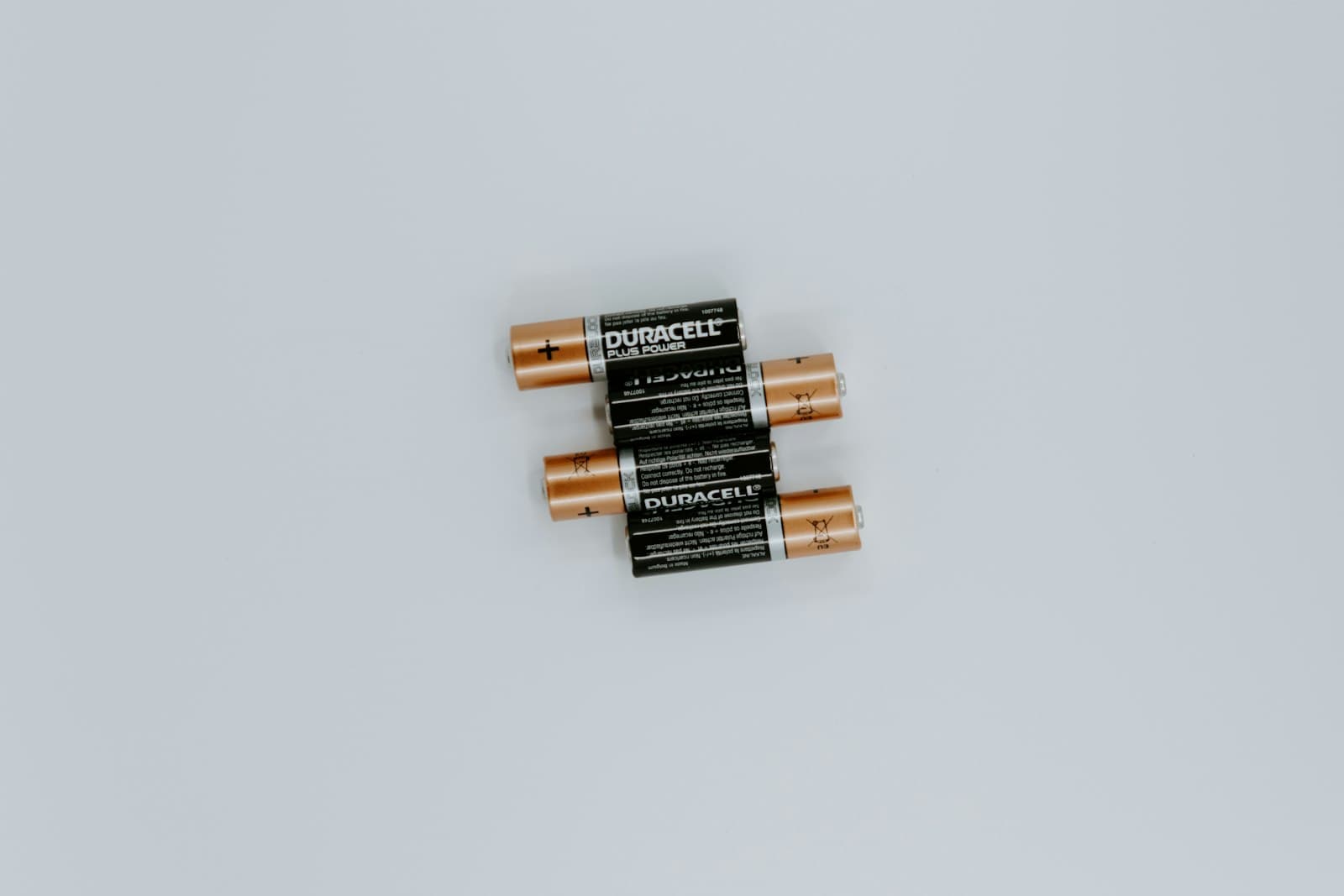
Battery safety is one of the less exciting specs on a vape device, right up until it is the only one that matters. Most of the guidance here is straightforward and comes from what device and battery manufacturers themselves publish, rather than from incident statistics. Follow the manufacturer’s instructions for your specific device first; this guide covers the general principles that sit underneath most of that guidance.
USB-C vs micro-USB charging
Most current pod kits and mods charge over USB-C, which has largely replaced the older micro-USB standard across newer devices. USB-C connectors are reversible, generally support faster charge rates, and tend to be more durable than micro-USB over repeated use. If your device still uses micro-USB, it is not unsafe by definition, but it is worth using the cable that came with the device, or a reputable equivalent, rather than an unbranded cable of unknown quality.
Charging speed and behaviour are set by the device’s chipset, so plugging into a higher-output charger than the device is rated for will not usually charge it faster; the device only draws what its charging circuit is designed to accept. For background on how charge specs relate to the rest of a device’s spec sheet, see our guide to comparing vape device specs.
General safe charging practice
- Use the cable and, where applicable, the charger supplied with the device, or a compatible replacement from a reputable source.
- Avoid leaving a device charging unattended overnight or while you are out of the house, particularly on soft furnishings.
- Charge on a hard, heat-resistant surface, away from bedding, curtains or anything flammable.
- Do not expose devices or batteries to extreme heat, direct sunlight for extended periods, or leave them in a hot car.
- Stop using and unplug a device if it becomes unusually hot while charging, rather than continuing to monitor it charging hot.
Removable 18650/21700 cell safety basics
Devices that take removable cells put more responsibility on the user, because the cell is a separate purchase rather than something built and tested as a sealed unit by the device manufacturer. A few basics apply generally:
- Use the correct rating. Cells are rated for a maximum continuous discharge current; using a cell rated below what your device can draw at its highest wattage setting is generally not recommended by battery and device manufacturers.
- Check the wrap. The plastic sleeve around a cell is there to prevent short circuits. A torn, nicked or peeling wrap is generally treated as a reason to stop using that cell and replace it, not something to tape over and keep using.
- Store cells properly. Loose cells carried in a pocket or bag alongside keys or coins can short circuit against metal objects. A hard plastic battery case is the usual recommendation for carrying spares.
- Buy from reputable sellers. Counterfeit or mislabelled cells with inflated capacity or discharge ratings are a known issue in the wider battery market; established vape retailers and recognised cell brands are the safer sourcing route.
- Use a dedicated external charger for removable cells where the device itself does not charge them in-body, following that charger’s own instructions.
When to stop using a device
A few warning signs are generally treated as a reason to stop using a device or battery and seek a replacement, based on standard manufacturer guidance:
- Visible swelling or bulging of the device body or cell.
- Cracks, dents or other physical damage to the housing.
- A device that becomes hot during normal use, not just charging.
- A battery that no longer holds charge for anywhere near as long as it used to.
- Any leaking or unusual smell from the battery compartment.
None of these signs mean panic is required, but they are consistently listed by device and battery manufacturers as reasons to stop use and replace the affected part, rather than continue and monitor. If in doubt, the manufacturer’s own support documentation for your specific model is the most reliable source, since safety tolerances can differ between devices even within the same general category covered in our spec-comparison guide.