UK vape hardware, explained
Vape hardware, compared properly.
Device Watch UK reads the spec sheets so you do not have to guess. We explain what wattage range, chipset features, battery capacity and pod limits actually mean, category by category, based on published manufacturer specifications.
| Spec | Pod kit | Sub-ohm kit |
|---|---|---|
| Typical wattage | 5–25W | 40–220W |
| Battery format | Internal, fixed | often18650/21700 |
| Draw style | MTL | DTL |
| Tank/pod limit | 2ml (UK reg.) | Varies by tank |
Compare by category
Four ways UK vapers usually think about hardware. Each category covers different priorities, from airflow control to charging format.
Pod Kits
Compact, MTL-focused devices with sealed or refillable pods capped at 2ml under UK regulation. Lower wattage range, simpler controls.
Sub-ohm
Higher-wattage DTL devices, usually with removable 18650 or 21700 cells and adjustable airflow for bigger vapour production.
Battery & Chipset
mAh capacity, charge time, temperature control and puff counters. What the numbers on a spec sheet mean for daily use.
Accessories
Spare coils, drip tips, replacement pods and charging leads. Compatibility is brand and model specific, so always check before buying.
Latest guides
View all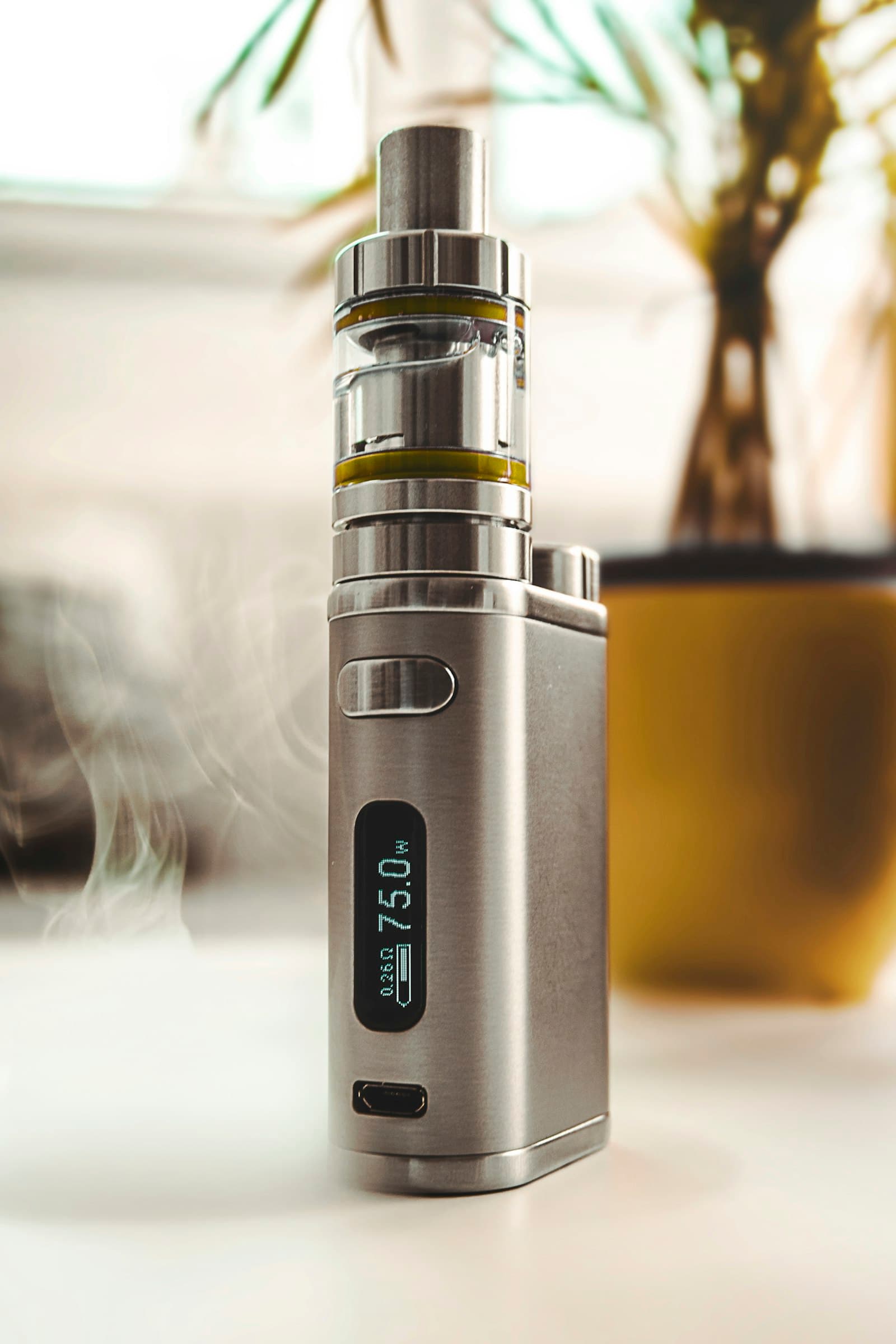
Pod mod vs sub-ohm kit: how these device categories actually differ
Chipset and wattage range, battery format, airflow control and who each category of device tends to suit, compared spec by spec.

How to compare vape device specs without getting confused
A practical framework for reading manufacturer spec sheets: wattage range, resistance support, battery capacity, chipset features and pod capacity limits.
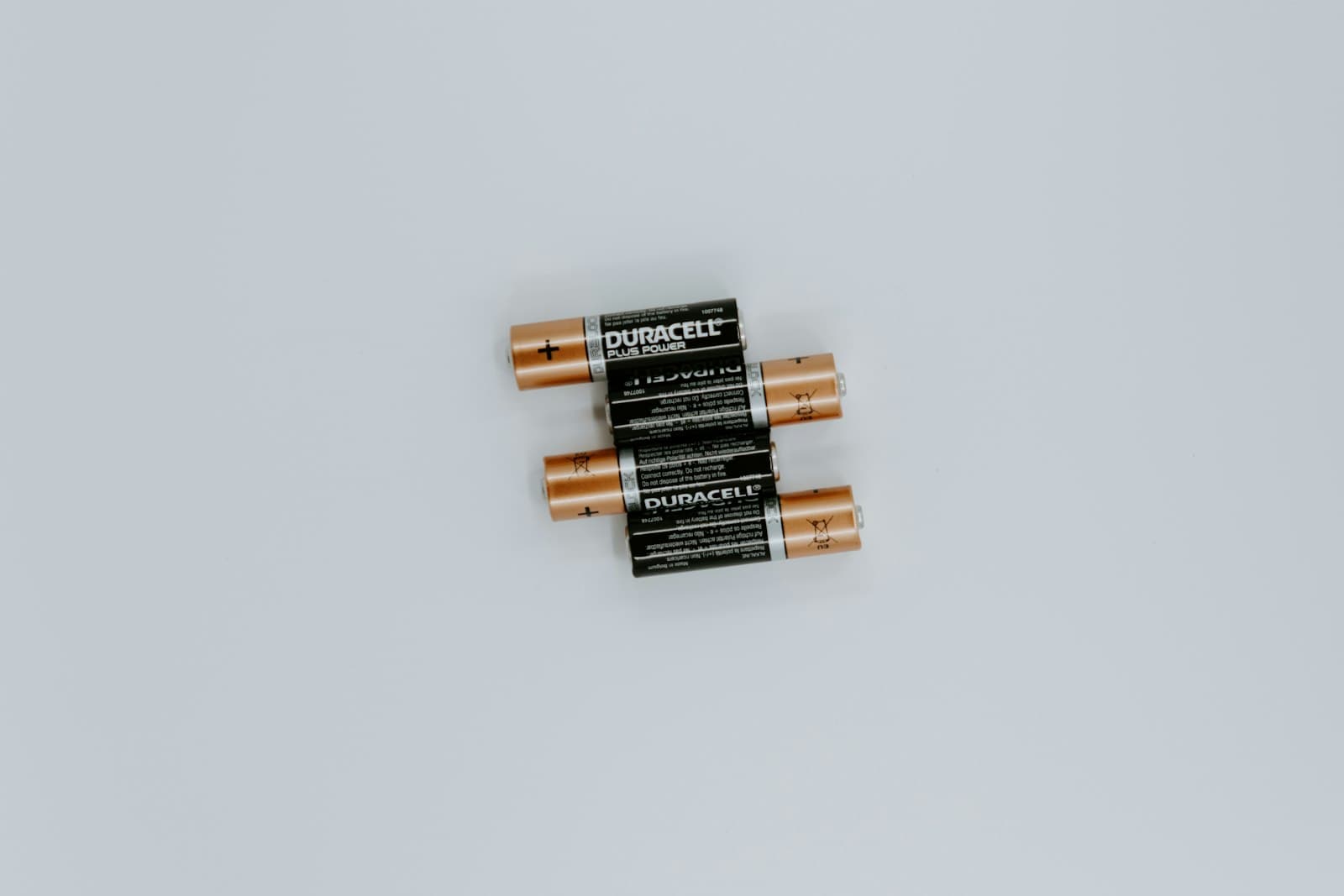
Battery and charging safety for vape devices
USB-C versus micro-USB charging, safe habits for built-in batteries, and the basics of handling removable 18650/21700 cells correctly.
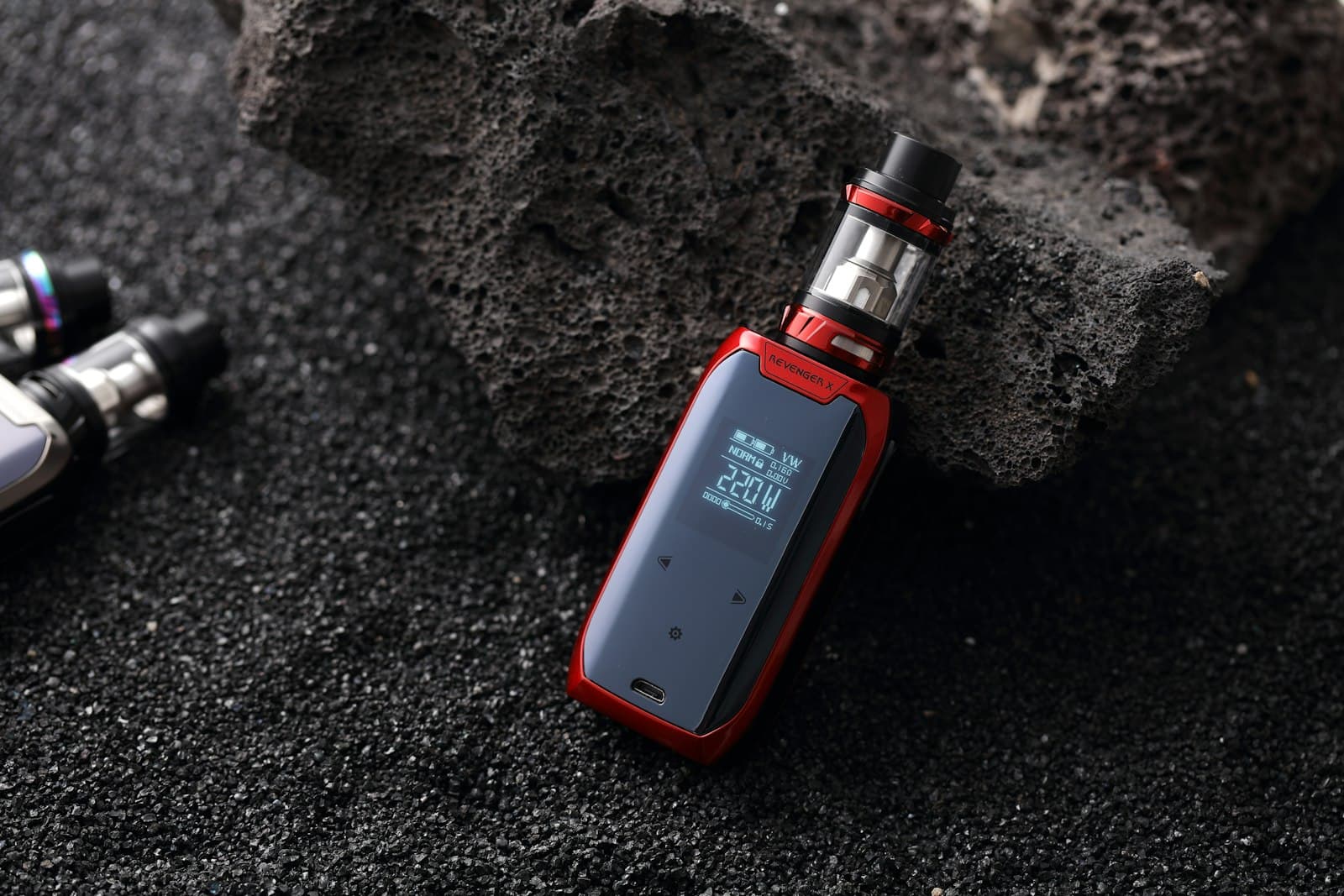
Adjustable airflow explained: what it actually changes
How AFC rings and switches on pods and mods work, how opening or restricting them changes draw resistance, flavour and vapour temperature, and how to find your own setting.
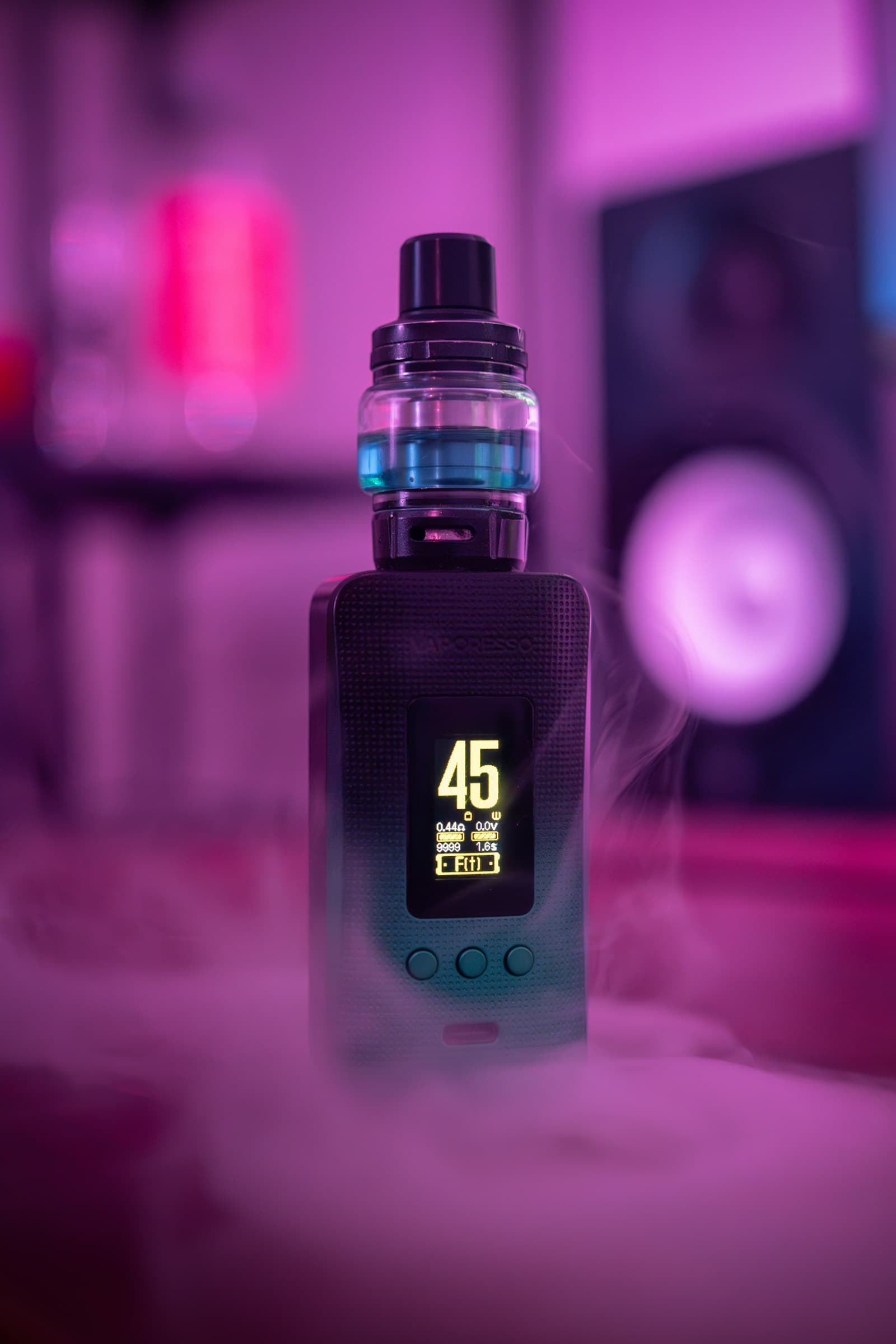
Puff counters and coil-life indicators: how accurate are they?
How chipset-tracked puff counts and resistance-drift wear indicators actually work, what throws the count off, and why taste and vapour remain the more reliable signal.
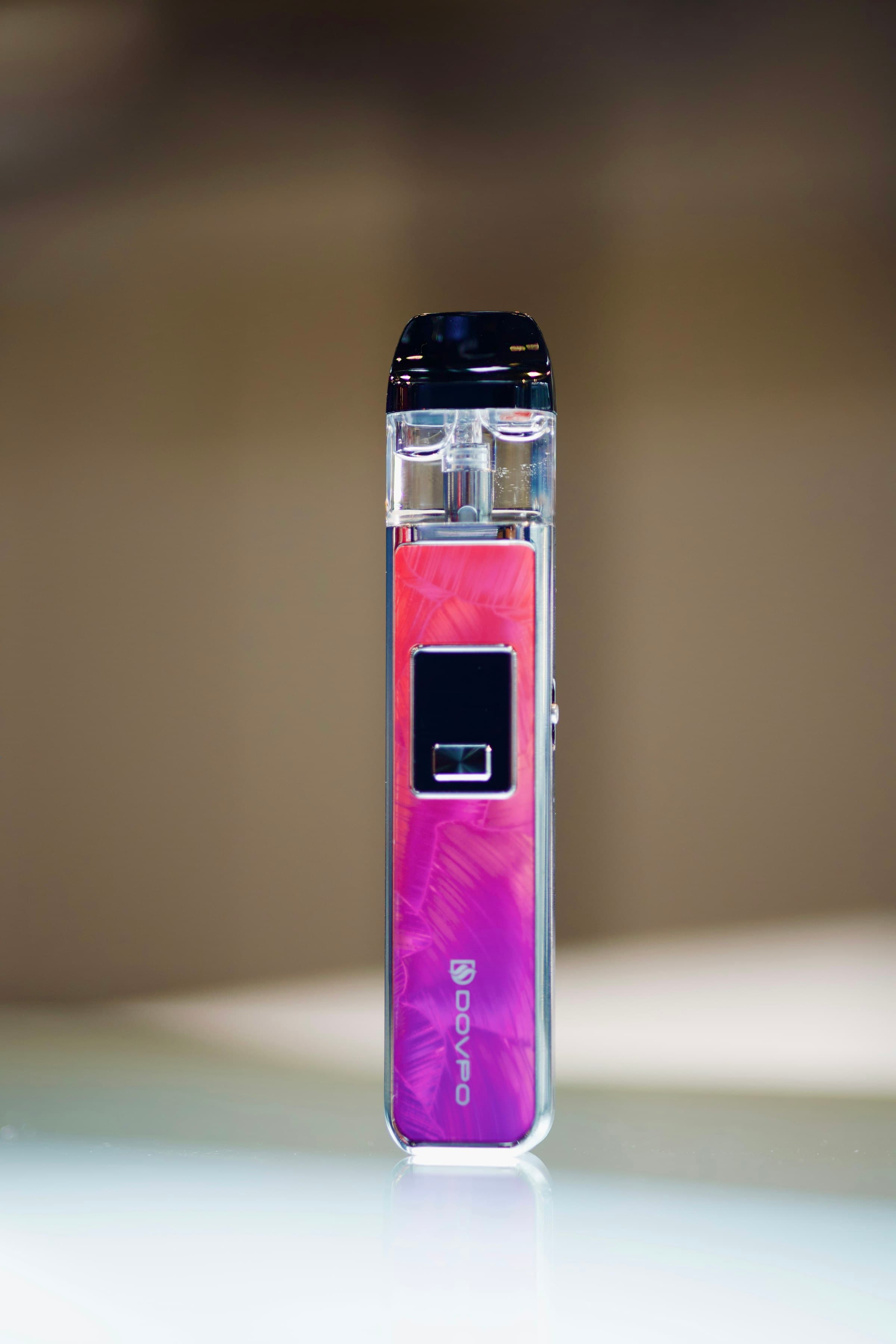
Al Fakher HyperMax Prime 50K: battery, charging and device specs reviewed
A spec-by-spec read of the 1000mAh battery, USB-C charging, Snap Dual pod module and LED display on the Al Fakher HyperMax Prime 50K, checked against manufacturer claims rather than in-house testing.
How we compare
Every comparison on Device Watch UK is built from published manufacturer specification sheets and official UK regulatory sources, not in-house lab testing. We do not run coil longevity tests, battery drain benchmarks or vapour density measurements ourselves, and we say so plainly rather than implying otherwise. Where a spec varies between markets or hardware revisions, we note that it varies instead of picking a single figure.